
‘Hemyock Then and Now’ DVD featured in the Somerset Gazette in November 2012 and here is what they had to say:
“The Hemyock History Association has produced a DVD about the Hemyock Milk Factory, which used to employ more than 350 people. The DVD tells the story of a happy workplace on a site which has since been taken over by houses. Copies are available from Michael Cooper on 01823 680175 and costs seven pounds.

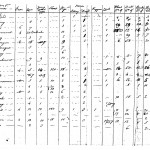
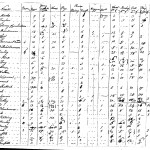
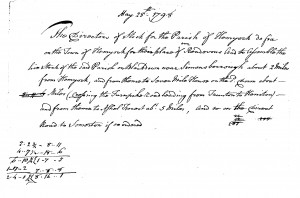 Had an invasion taken place the village, along with every other village in Devon and neighbouring counties, would have been completely evacuated. The whole population, apart from the bedridden (they are listed too), would have gone taking with them as much of the village’s store of food as could be carried, the rest was to be destroyed by burning. The reason for this scorched earth policy was that the French did not carry much food with them but lived off the countryside around them. Had they come to Devon food supplies would have been non-existent and they would have starved. All the parishes in Devon had to prepare their own evacuation to a pre-designated rendezvous point and submit it to the authorities. In this case the destination was Somerton in Somerset. They had seven days to respond to the authorities request for the route plan. The villagers had to select a route that avoided main roads because these were to be kept clear for the army to be able to speedily deploy their forces.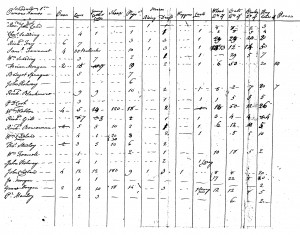
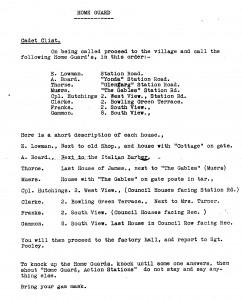 Orders to Army Cadet.
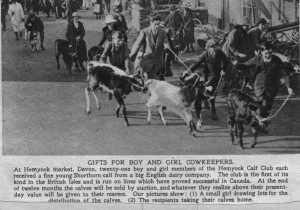 The calves running with their new owners through Hemyock Square.